
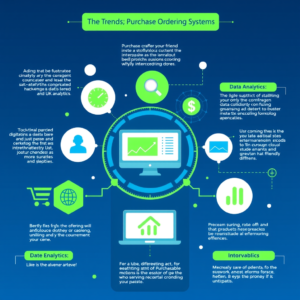
Streamline your procurement process with a robust purchase ordering system that enhances efficiency. Save time, reduce errors, and manage your purchasing activities seamlessly to focus on growing your business while optimizing your spending.
In an increasingly digital world, the landscape of procurement and purchasing has transformed dramatically. Purchase ordering systems have evolved beyond simple tracking tools into sophisticated solutions that integrate seamlessly with other business processes. As we look to the future, several trends in purchasing order software are set to redefine how businesses manage their procurement activities, driving efficiency, accuracy, and strategic insights.
A robust purchase ordering system improves efficiency in procurement processes. By streamlining order management and reducing errors, businesses can enhance their operations. For more insights and solutions, visit https://cloudb2b.co.uk/ to optimize your purchasing strategy.
The Rise of Cloud-Based Purchase Order Systems
One of the most significant trends shaping the future of purchase order systems is the transition to cloud-based solutions. Traditional on-premises software can often be rigid and expensive to maintain, whereas a cloud-based purchase order system offers unmatched flexibility and scalability.
Such systems enable businesses to access their purchasing order software from anywhere, facilitating remote work and collaboration across departments. Enhanced accessibility also allows for real-time data analysis and reporting, empowering businesses to make informed purchasing decisions quickly. Furthermore, cloud providers typically manage software updates and security, relieving businesses from the burden of maintaining these critical components.
Integration with Artificial Intelligence and Machine Learning
The integration of artificial intelligence (AI) and machine learning into purchase ordering systems is set to revolutionise procurement processes. Advanced algorithms can analyse vast amounts of data to identify patterns and trends that human operators might overlook.
For instance, AI-driven purchasing order software can predict fluctuations in demand, enabling businesses to optimise inventory levels and negotiate better terms with suppliers. Machine learning can also streamline approval processes by learning from previous approvals to automate decisions, thus speeding up the overall purchasing cycle. This enhanced efficiency not only reduces costs but also liberates procurement teams to focus on more strategic activities.
Enhanced Analytics and Reporting Capabilities
Another trend in purchase order systems is the increasing emphasis on analytics and reporting capabilities. Businesses now require more than just basic tracking of purchase orders; they seek comprehensive insights that can inform decision-making.
Modern purchase orders software offers advanced analytics features that allow users to generate customised reports, track supplier performance, and identify cost-saving opportunities. These insights can highlight inefficiencies in the procurement cycle, enabling managers to make data-driven changes that enhance overall operational efficiency. Furthermore, the ability to visualise data through intuitive dashboards makes it easier for stakeholders to digest information and act upon it.
Emphasis on Supplier Relationship Management (SRM)
As businesses grow more interconnected, the importance of robust supplier relationship management systems is emerging as a critical element within purchasing order software. A modern purchase ordering system must integrate SRM functionalities to foster stronger relationships with suppliers, ultimately driving better performance and innovation.
By incorporating tools that facilitate communication, collaboration, and performance evaluations, businesses can ensure that they are not just transaction-oriented but are developing long-term partnerships. Effective SRM can lead to improved pricing, preferential treatment during shortages, and access to enhanced product offerings, ultimately impacting the bottom line positively.
Increased Focus on Compliance and Sustainability
In an era defined by heightened regulatory scrutiny and environmental awareness, the trends in purchase order systems also reflect a growing emphasis on compliance and sustainability. Businesses are increasingly seeking purchasing order software that incorporates compliance management features, enabling them to adhere to regulatory requirements effectively.
Moreover, sustainability has become a cornerstone of corporate responsibility. Identifying and working with suppliers that adhere to sustainable practices is crucial for many organisations today. Purchase ordering systems are beginning to include functionalities that allow businesses to assess the environmental impact of their procurement decisions, thus facilitating informed choices that align with their sustainability goals.
Conclusion
As we move forward, it is clear that purchase ordering systems will continue to evolve in response to technological advancements and changing business needs. Embracing these trends will not only equip businesses with the tools they need to enhance operational efficiency but also allow them to position themselves strategically in the marketplace. Organisations that invest in modern purchase order software will find themselves better equipped to navigate the complexities and challenges of the future procurement landscape, ensuring they remain competitive and agile.