Procurement teams today are navigating a complex landscape of suppliers, budgets, and compliance demands. A modern purchase order system isn’t just a tool—it’s a transformative backbone that simplifies processes, improves control, and drives smarter decision-making across the organisation. In this post, I’ll share ten compelling reasons why investing in a robust po system for small business or a larger operation pays dividends across every corner of procurement.
From the moment a requisition is raised to the moment the invoice is finalised, a well-implemented electronic purchase order system can shave hours off manual tasks, reduce errors, and create a single source of truth for spend data. If you’re still managing paper PO forms or isolated spreadsheets, the benefits of upgrading to a streamlined purchase ordering system become instantly clear.
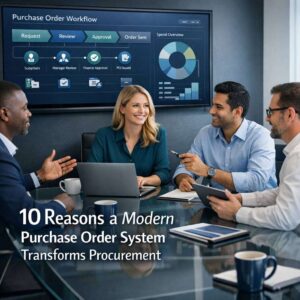
Reasons a modern purchase order system transforms procurement
1. Centralised control and visibility
A purchase order system UK or elsewhere brings all POs, approvals, and supplier communications into one centralised platform. This transparency makes it easier to track status, forecast demand, and identify bottlenecks before they derail timelines. With real-time dashboards, stakeholders gain a clear view of commitments and variances across departments.
FAQ: Purchase Order System
What is a purchase order system?
A purchase order system is software or a set of processes that manages the creation, approval, tracking, and fulfillment of purchase orders (POs). It helps organisations control spending, automate workflow, maintain audit trails, and integrate with suppliers and accounting systems.
Why should I use a purchase order system?
Benefits include:
- Improved spending control and budget visibility
- Faster approval workflows and fewer manual errors
- Better supplier relationship management
- Real-time tracking of PO status and shipments
- Streamlined accounting and reconciliation
What features should I look for in a purchase order system?
Key features include:
- PO creation and customisation (line items, quantities, prices)
- Approval workflow with role-based permissions
- supplier catalog and onboarding
- order tracking and status alerts
- receiving and matching invoices (3-way match)
- integration with ERP, accounting, and procurement systems
- audit trails and reporting
- mobile access and cloud-based deployment
How does a purchase order system integrate with my accounting software?
Most systems offer:
- API or pre-built connectors to popular ERP/accounting platforms
- Automatic PO, receipt, and invoice syncing
- Account mapping for general ledger codes
- Real-time synchronisation to reduce duplicate data and errors
What is 3-way matching, and why is it important?
3-way matching compares the purchase order, the receiving document, and the supplier invoice. It ensures consistency in quantity, price, and terms before payment is issued, reducing fraud and discrepancies.
How long does it take to implement a purchase order system?
Implementation time varies based on:
- System complexity and deployment model (cloud vs. on-premises)
- Number of users and departments
- required integrations with ERP, accounting, or supplier networks
- data migration needs and process redesignA typical implementation can range from a few weeks to a few months. A phased rollout can help mitigate risk.
Can a purchase order system handle multi-currency and international suppliers?
Yes, many systems support multi-currency, tax rules, Incoterms, and international supplier onboarding. Ensure the system can handle localised requirements for your regions.
What is the difference between a PO system and a procurement software?
- Purchase Order System: Focuses on creating, approving, and tracking POs and related fulfillment processes.
- Procurement Software: Broader scope, often including spend analytics, supplier management, sourcing, contract management, and broader procurement workflows.
How secure are purchase order systems?
Security considerations include:
- Role-based access control and MFA
- Data encryption at rest and in transit
- Audit logs and tamper-evident records
- Regular security updates and vulnerability management
- Vendor due diligence and compliance certifications (e.g., SOC 2)
Can I customise workflows and approval rules?
Most systems offer configurable workflows, including:
- Approval routing based on spend thresholds, departments, or supplier risk
- Parallel or serial approvals
- Escalation rules and deadline controls
- Conditional routing for exceptions
What kind of reporting and analytics can I expect?
Common reports include:
- PO aging and open vs. closed PO tracking
- Spend by department, supplier, category, or project
- Purchase order cycle time
- Savings and supplier performance
- Invoice-to-PO match success rate
How do I migrate data into a new PO system?
Data migration typically involves:
- Mapping existing POs, vendors, and items to the new system
- Cleaning and deduplicating records
- Importing data via CSV/Excel or APIs
- Validating migrated data with stakeholders
- Runbooks for cutover and fallback
Is a purchase order system suitable for small businesses?
Yes. Many vendors offer affordable plans with essential PO functionality, scalable features, and cloud-based access that fit small businesses and startups.
What is the typical cost of a purchase order system?
Costs vary by:
- Deployment model (cloud vs. on-premises)
- Number of users and vendors
- Feature set and integrations
- Data storage and support levelsExpect monthly subscription fees per user or per company, plus potential implementation or customisation charges.
How do I choose the right purchase order system for my business?
Consider:
- Your current processes and pain points
- Required integrations (ERP, accounting, suppliers)
- User-friendliness and adoption potential
- Security and compliance needs
- Total cost of ownership and ROI
- Vendor support, roadmap, and reference customers
What are common deployment options?
- Cloud-based (SaaS): fastest to deploy, regular updates, scalable
- On-premises: full control, requires IT resources for maintenance
- Hybrid: combines cloud and local components for specific needs
How can I ensure user adoption and training for a PO system?
- Involve end-users early in requirements
- Provide role-based training and quick-start guides
- Use in-system onboarding and example templates
- Establish clear processes and metrics
- Offer ongoing support and periodic refresher sessions
What’s the typical return on investment (ROI) from a PO system?
ROI drivers include:
- Reduced maverick purchasing and better budget control
- Faster procurement cycles and approvals
- Lower invoice discrepancies and processing costs
- Improved supplier terms and discounts
- Time savings for procurement and finance teams
If you’d like, tell me your business size, industry, and current pain points, and I can tailor these FAQs to suit your specific needs.
2. Strengthened control and compliance
A robust PO system for small business and larger organisations enforces policy-driven controls. Pre-set budget checks, mandatory approvals, and automatic PO numbering help ensure every purchase aligns with organisational guidelines. This reduces maverick spending and supports regulatory compliance, especially in sectors with strict procurement rules.
A robust purchase order system can streamline procurement, improve supplier communication, and reduce cycle times. By automating approvals, tracking statuses, and consolidating data, teams gain visibility and control over budgets. Explore solutions at cloudb2b.co.uk/po-system to compare features, scalability, and pricing. Choose a system that integrates with your ERP for seamless purchasing workflows and measurable cost savings.
3. Faster cycle times
Manual purchase orders can drag on for days or weeks. An electronic purchase order system speeds up requisitions, approvals, and supplier acknowledgements. By digitising routing and approval workflows, procurement teams can expedite replenishment, keep projects on track, and respond quickly to supplier lead times.
4. Improved supplier relationships
With a PO system for small business or enterprise, suppliers receive consistent, well-structured orders. Electronic purchase orders minimise miscommunication, reduce the need for follow-ups, and improve payment accuracy. Clear PO terms and electronic acknowledgments build trust and foster smoother collaboration.
5. Better spend governance and analytics
A purchase order system uk continues to collect spend data, enabling granular analytics across categories, departments, and suppliers. With standardised PO data, you can benchmark performance, identify savings opportunities, and create more accurate budgets. Over time, this leads to smarter negotiations and better contract terms.
6. Seamless integration with accounting and ERP
Modern purchase order systems integrate with accounting software and ERP platforms, reducing duplicate data entry and reconciliation errors. This ensures faithful financial reporting and faster month-end close. It also means the finance team spends less time chasing PO status and more on value-added analysis.
7. Enhanced control over supplier onboarding
An advanced po system for small business often includes supplier onboarding workflows and supplier master data management. Streamlined onboarding helps ensure that new vendors meet your compliance standards, have correct tax and banking information, and are setup for electronic invoicing from day one.
8. Accurate invoicing and payment processes
Electronic purchase order system integration with e-invoicing reduces discrepancies between what was ordered and what’s billed. When POs and invoices align automatically, payables become more predictable, early payment discounts can be captured, and cash flow improves.
A robust purchase order system reduces manual data entry and accelerates procurement cycles. With real-time tracking, you gain visibility into approvals, budgets, and supplier performance. By streamlining workflows, teams collaborate more efficiently and errors drop dramatically. https://cloudb2b.co.uk/ Explore scalable options to tailor automation to your organization, ensuring cost control, compliance, and seamless supplier communication across departments.
9. Audit trails and risk management
Every action—revisions, approvals, and changes to PO data—leaves a traceable audit trail. This is invaluable for governance, audits, and internal investigations. Clear records help mitigate procurement risks, show due diligence, and streamline compliance reporting.
10. Scalable to your organisation’s needs
Whether you’re a small business deploying a po system for the first time or a growing organisation expanding procurement capabilities, modern PO software scales with you. Cloud-based purchase order systems can accommodate increased volumes, multiple currencies, and more complex approval hierarchies without sacrificing performance.
Choosing the right purchase order software
- Evaluate ease of use: A friendly interface and intuitive workflows reduce user resistance and training time, speeding up adoption.
- Assess integration options: Ensure the software for purchase order integrates smoothly with your accounting, ERP, and procurement tools.
- Consider mobile accessibility: On-the-go approvals and PO tracking can maximise productivity for managers and team members away from desks.
- Look for robust security: Role-based access, data encryption, and audit trails are essential for safeguarding spend data.
- Check for compliance features: Budget checks, policy enforcement, and the ability to enforce supplier onboarding standards are critical.
Less obvious, but equally important, is the cultural shift. A modern PO system UK or international should empower users to work more efficiently, without compromising control. When team members see tangible improvements in turnaround times and data accuracy, engagement follows.
Practical implementation tips
- Start with a pilot: Implement the system in a single department to refine workflows before a wider rollout.
- Map current processes: Document requisition, approval, and PO creation steps to identify automation opportunities.
- Define approval hierarchies: Establish who can approve which spend thresholds to prevent bottlenecks.
- Clean data before migration: Deduplicate supplier records and standardise item descriptions to maximise the system’s value.
- Train and support: Provide practical how-to guides and quick reference tips to boost confidence and adoption.
A modern purchase order system is more than a digital filing cabinet. It’s a strategic enabler that aligns procurement with organisational goals—from cost control and supplier partnerships to data-driven decision-making and scalable growth. If you’re weighing options, a thoughtful choice of po system for small business or larger enterprises can unlock sustained efficiencies, improved compliance, and sharper spend insights across the board.